

In which, three groups of microorganisms: aerobic - anaerobic - anoxic are often widely used in the wastewater treatment process. So what are these three groups of microorganisms? And how are they different? Let's learn more about these three groups of microorganisms with Nanoen!
1. What is the aerobic group?
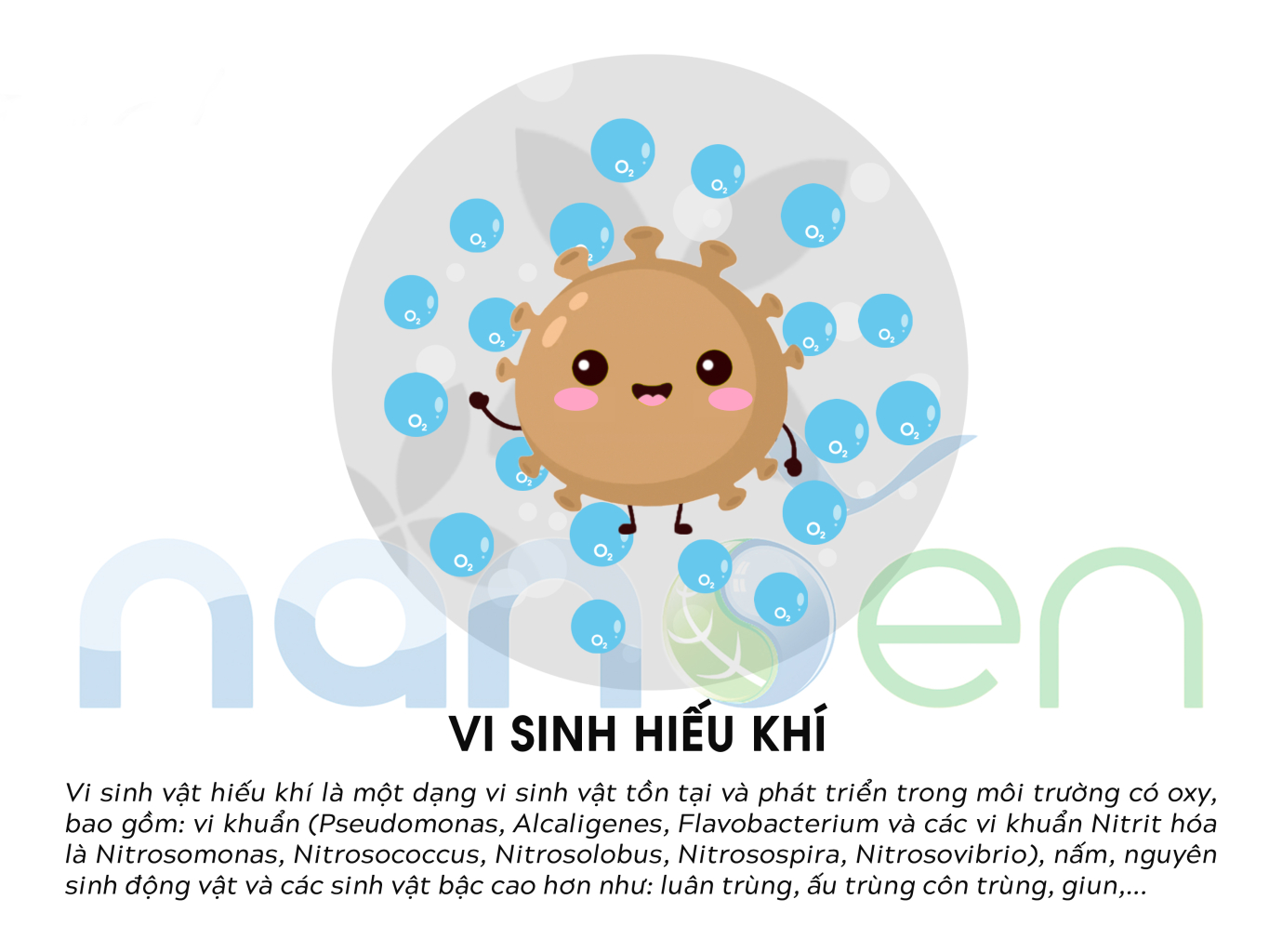
Aerobic microorganisms are a type of microorganisms that exist and develop in an oxygenated environment, including: bacteria (Pseudomonads, Alcaligenes, Flavobacterium and Nitrifying bacteria such as Nitrosomonas, Nitrosococcus, Nitrosolobus, Nitrosospira, Nitrosovibrio), fungi, protozoans and higher organisms such as: rotifers, insect larvae, worms,...
1.1 Aerobic treatment mechanism
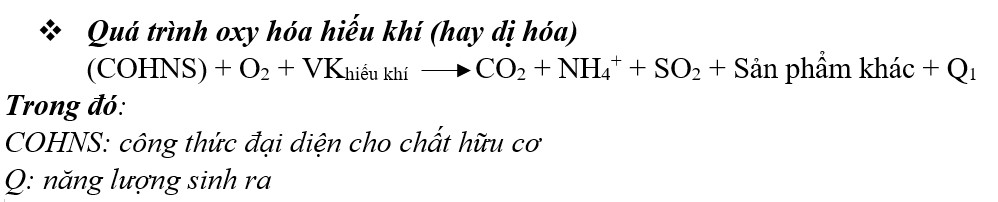
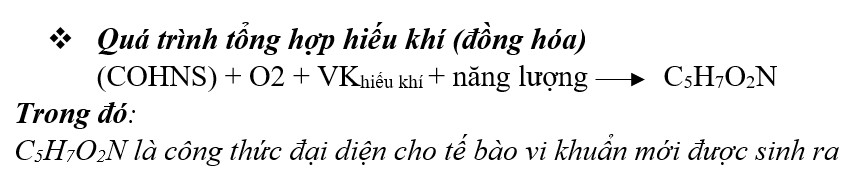
In aerobic biological treatment tanks, heterotrophic microorganisms will use oxygen to decompose organic compounds into simple inorganic substances and create energy for their cell synthesis. This process takes place through the following two reactions:
Aerobic oxidation (or catabolism)
Aerobic oxidation (anabolism)
1.2 Nitrification mechanism
If the retention time in the tank is long enough and there is enough oxygen, the Nitrogen in ammonia will be converted to Nitrate through the Nitrification process. The Nitrification process takes place in two steps as follows:
1.3 Application of aerobic groups in wastewater treatment processes?
In wastewater treatment plants, activated sludge tanks are often used to:
-
Oxidize carbon in organic compounds
-
Oxidize nitrogen in organic compounds
-
Remove Phosphate in wastewater
-
Remove gases such as Carbon dioxide, Ammonia, Nitrogen
2. What is anaerobic group?
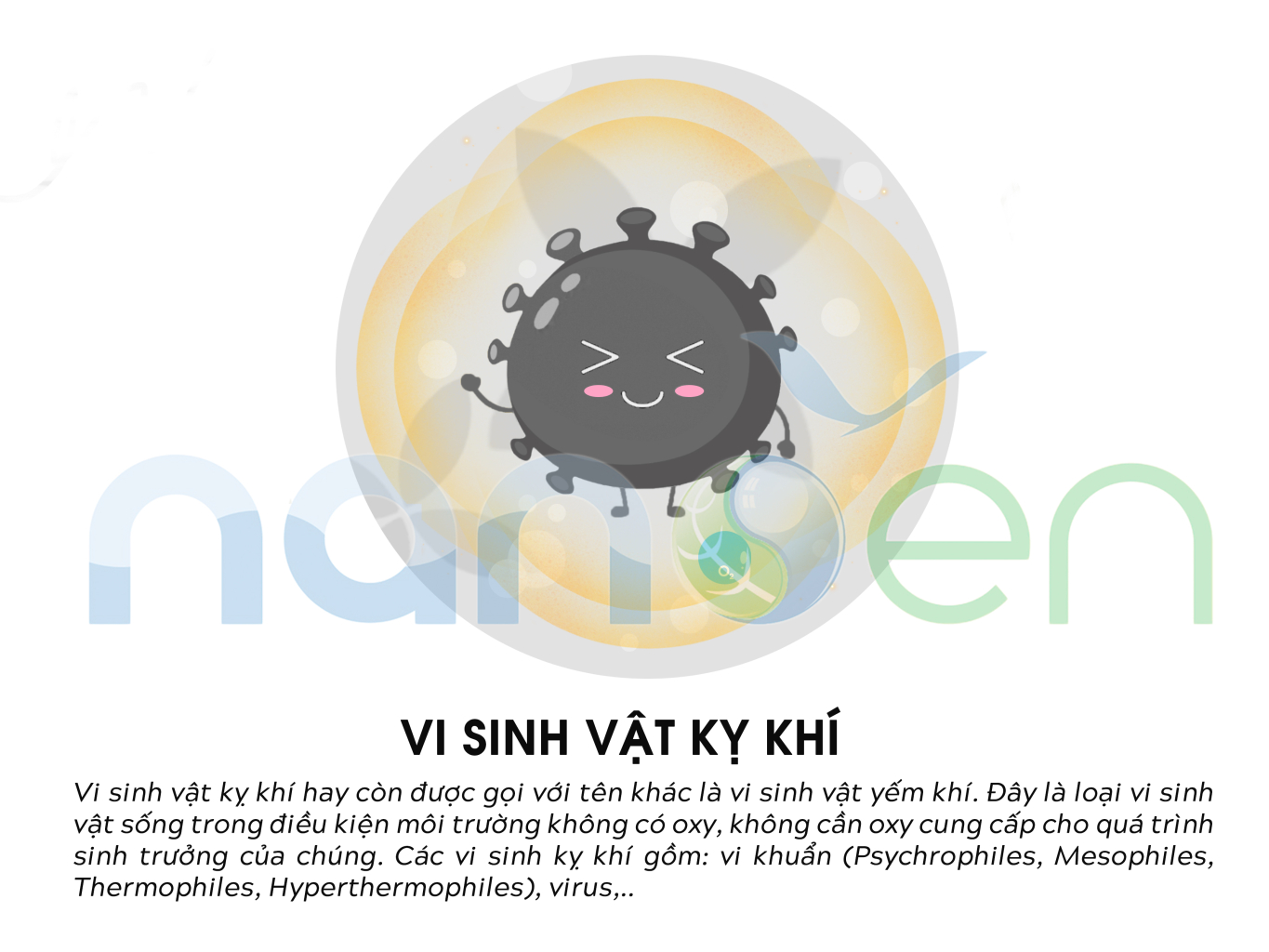
Anaerobic microorganisms are also known as anaerobic microorganisms. These are microorganisms that live in an oxygen-free environment and do not need oxygen for their growth. Anaerobic microorganisms include: bacteria (Psychrophiles, Mesophiles, Thermophiles, Hyperthermophiles), viruses, etc.
2.1 Mechanism of anaerobic treatment process
In anaerobic biological treatment tanks (without oxygen), there are mainly anaerobic microorganisms and these microorganisms have the task of decomposing organic matter by oxidation-reduction, however, the electron acceptors will be compounds other than oxygen.
2.2 Reaction equations of the anaerobic oxidation process
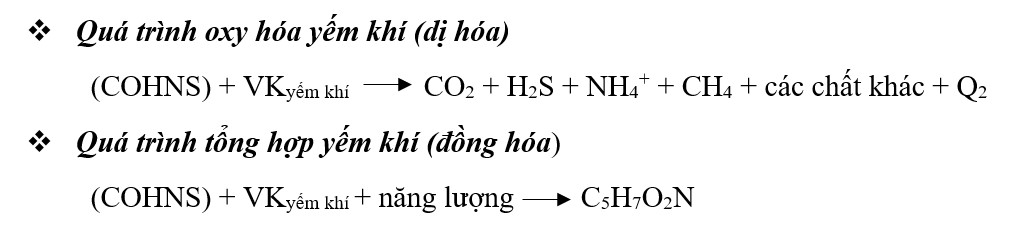
The composition of the gas mixture produced from the anaerobic decomposition process includes: CH4 55 – 65%, CO2 35 – 45%, N2 0 – 3%, H2 0 – 1%, H2S 0 – 1%.
The anaerobic decomposition process is divided into 3 main stages such as:
-
Decomposition of high molecular organic substances (hydrolysis and fermentation)
-
Creation of acids and hydrogen gas
-
Creation of CH4 from acetic acid and from hydrogen gas
2.3 Application of anaerobic groups in wastewater treatment processes?
Biogas, a product of the anaerobic decomposition process, is used in households to serve the needs of cooking, lighting, heating, and on a large scale, it is also used to generate electricity.
In the field of wastewater treatment, anaerobic fermentation is used to treat wastewater with high organic content (such as wastewater from agricultural and aquatic product processing, wastewater from livestock farms, wastewater from chemical plants, etc.) and to treat sludge generated from settling tanks and flotation of wastewater treatment systems. In addition, anaerobic microorganisms also help remove phosphorus in wastewater.
3. What is the anaerobic group?
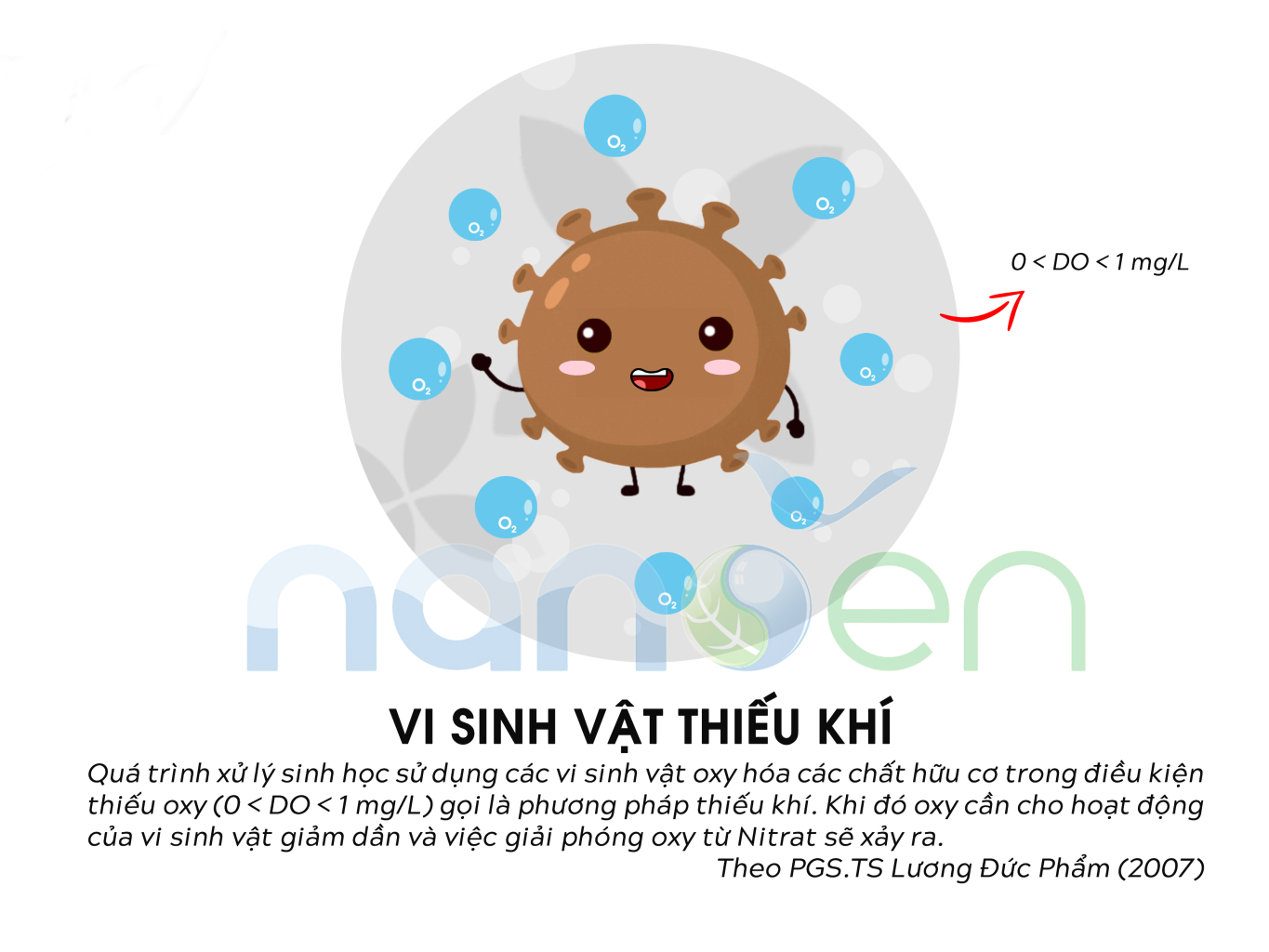
According to Associate Professor Luong Duc Pham (2007), the biological treatment process using microorganisms to oxidize organic substances in oxygen-deficient conditions (0 < DO < 1 mg/L) is called the anoxic method. At that time, the oxygen needed for microbial activity gradually decreases and the release of oxygen from Nitrate will occur. According to the above principle, the anoxic method is used to remove Nitrogen from wastewater.
Nitrate removal mechanism
The denitrification of wastewater describes the process of facultative anaerobic bacteria using Nitrate or Nitrite Ions to decompose CBOD. The use of CBOD will help bacteria receive more energy and the growth and reproduction rate will increase rapidly. Facultative anaerobic bacteria have the ability to respire aerobically or anaerobically. The aerobic respiration process occurs when the environment has free oxygen and that process can be described by the following equation:

Anaerobic respiration occurs in an environment without free oxygen, so bacteria must use other molecular forms to decompose CBOD, including Nitrite and Nitrate.

The denitrification process can be divided into two stages: stage 1 converts Nitrate to Nitrite, stage 2 forms gases such as NO, N2O and N2, these are the three final products that will be released into the atmosphere.

In the wastewater treatment system, most will combine three groups of microorganisms into the wastewater treatment process such as: wastewater from agricultural and aquatic product processing, wastewater from livestock farms, wastewater from chemical factories, etc. to help meet technical safety standards when discharging into the environment.
Through the above information, readers have learned more about the three groups of microorganisms and the operating mechanism of the microbial groups in wastewater treatment, thereby helping businesses choose and apply them appropriately for each wastewater treatment tank, in order to optimize the wastewater treatment process as well as bring good efficiency to the business.
Prestigious unit providing environmental profile services and constructing wastewater treatment systems
NANO Environment Technology – Construction Limited Liability Company (Nanoen) is one of the prestigious units specializing in providing and cultivating microbial sludge in Can Tho, ensuring good quality and suitability for many different types of wastewater treatment systems such as: wastewater from paper production, seafood processing, food, agricultural products, medical, ... To serve the process of starting up biological systems, troubleshooting, and renovating wastewater treatment systems.
With a team of experienced staff, we have a full range of services from environmental profile consulting to construction design, environmental treatment system operation, microbiological supply, sludge pressing for hire...
Nanoen is always ready to bring the best service experience, suitable for the needs of our customers.
Nanoen
NANO ENVIRONMENT TECHNOLOGY - CONSTRUCTION LIMITED LIABILITY COMPANY
Address: 661E/29, Vo Van Kiet Street, Binh Yen A Quarter, Long Hoa Ward, Binh Thuy District, Can Tho City
Hotline: 0941.777.519 - 0907.803.678 - 0901.229.798
Email: nanoentech@gmail.com
Facebook: www.facebook.com/nanoentech